We used to have a home in the forest
For those that lose their homes to climate change, there is little to no belonging. It’s not a loss for which there is a placeholder in people’s mind. So the story and the people become invisible. In truth, it fits with the narratives of environmental racism that dispossesses people. These stories too hardly have a place in America’s storybooks, even though they are the first story. These stories of place-loss need to be told and remembered. Together we can see these stories.
We used to live in the forest. My family built their home there in 1985. The moss dripped from giant douglas firs and sparkled with dew. The river could always be heard, a cold roar. My grandma who left war in China as a child, chose this place in Oregon as her forever home.
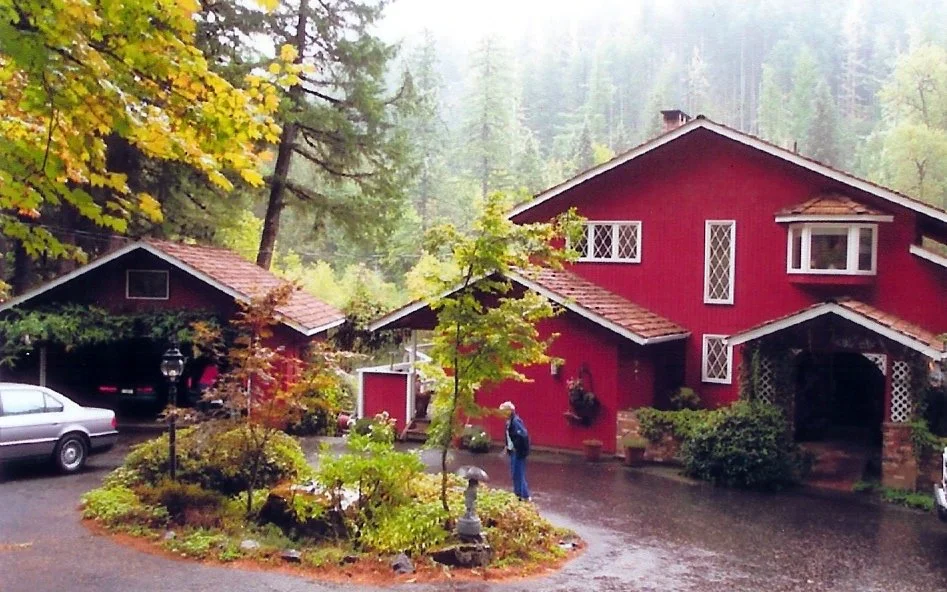
My grandmother had a large garden she had worked on. There was a little rhododendron in the middle of the garden. It wanted to keep living and my grandmother kept nurturing it. But the heat was drying it out and it was smaller every year. The garden was beautiful though.
I knew from studying climate change at University that our property was at risk for wildfire. So many trees were dying and I could see which parts of the property were the hottest. I feared fire. I imagined we had twenty years before we needed to face wildfire though. The summer before wildfire came, I asked my family whether we had insurance. We did.
I was living nearby when my grandparents and aunt were evacuated because of the wildfire. The sky was orange all night and it rained ashes for days. I wondered if our house was there in the ashes, which it was.
The summer before I moved to the forest, I met a woman who was a ceramicist. She had paused a science career to become a potter. She told me in her vision of a sustainable future, beautiful hand thrown ceramics were a part of it. As I looked at the plates on her shelf, I thought of how fragile they were and whether something fragile could be called sustainable. How wrong I was. When we walked the former house site, the only items recovered intact were small ceramic figurines. They may seem fragile but they are tested by fire.
We have to learn that at the heart of climate change is a personal story. It’s a human story and happens one family at a time. Humanity is searching for a destination now. A future and an outcome for all these problems. We need the stories at the heart of climate change to find it. We need all the stories.
